
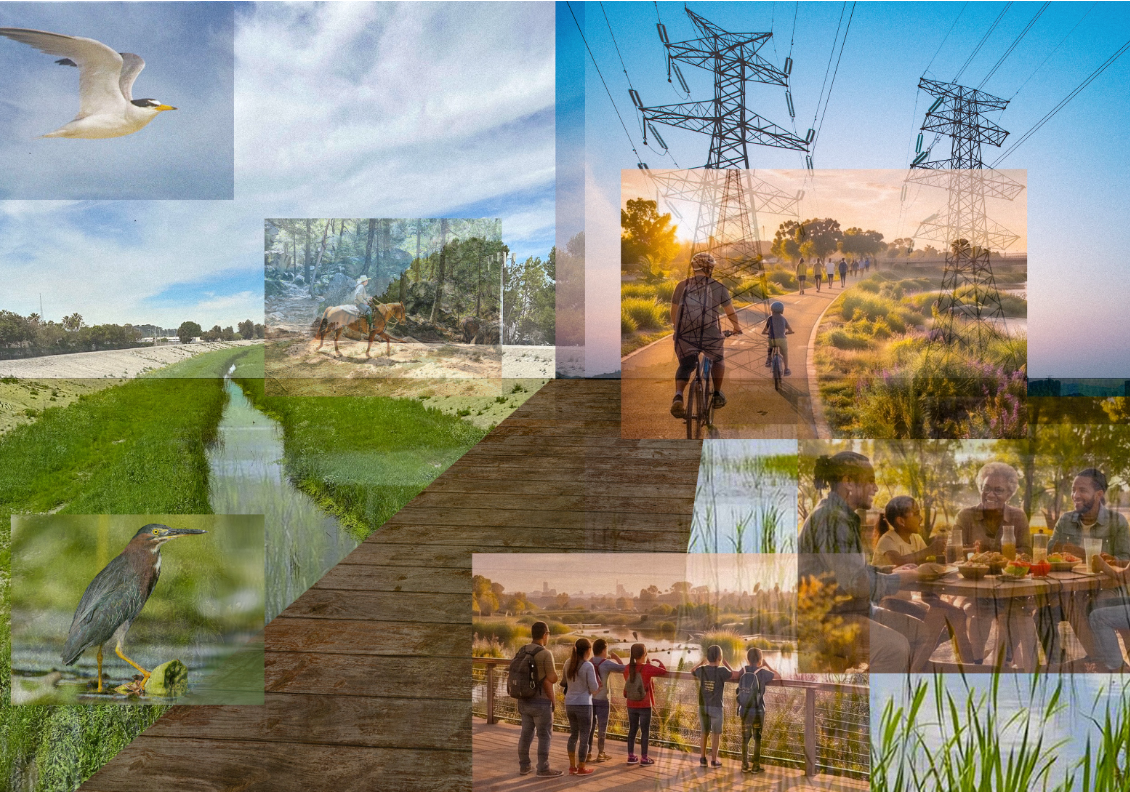
A Regenerative Confluence:
Reimagining Urban Flood Infrastructure at the Compton Creek and Los Angeles River
Callie Ham

SCASLA Achievement Award
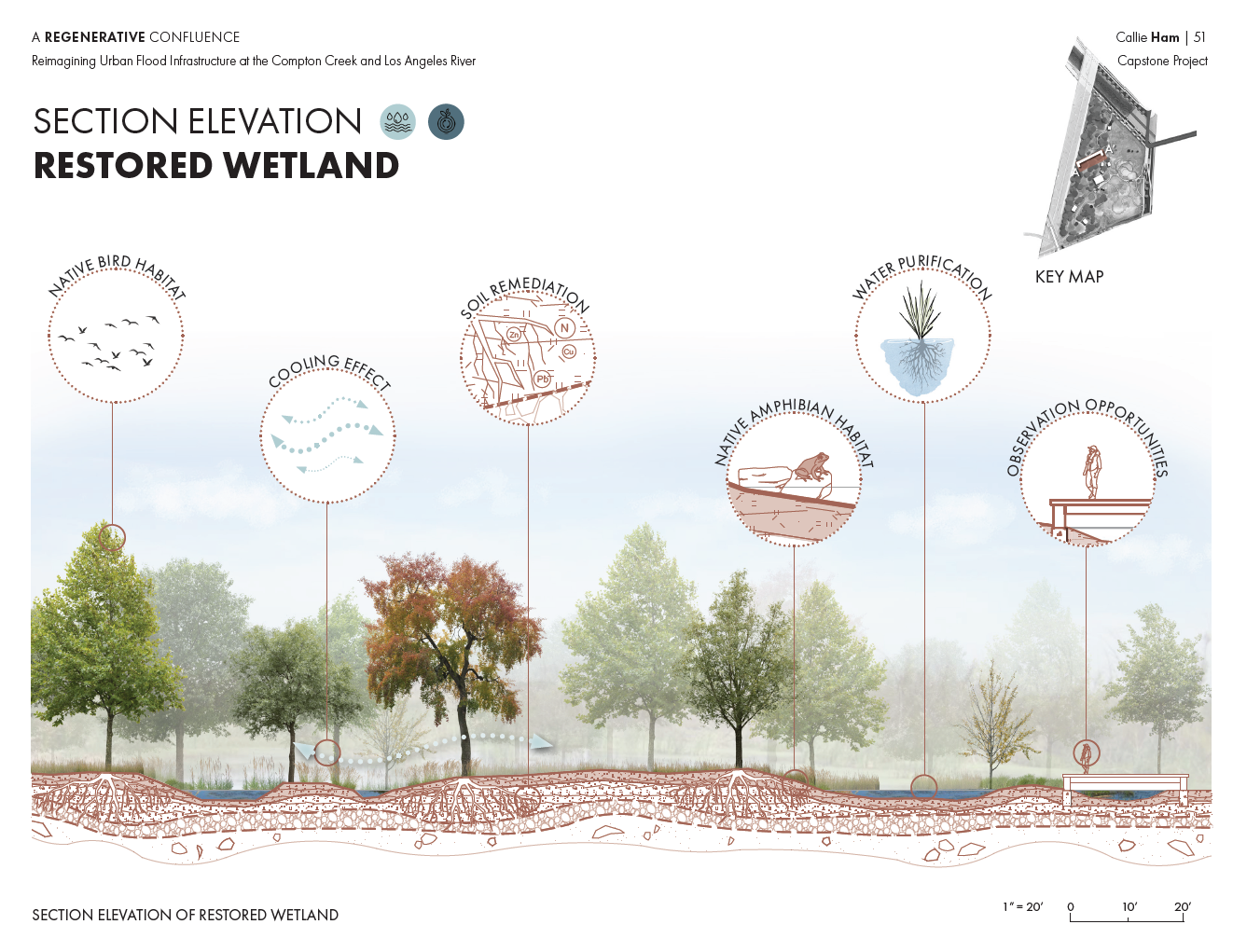
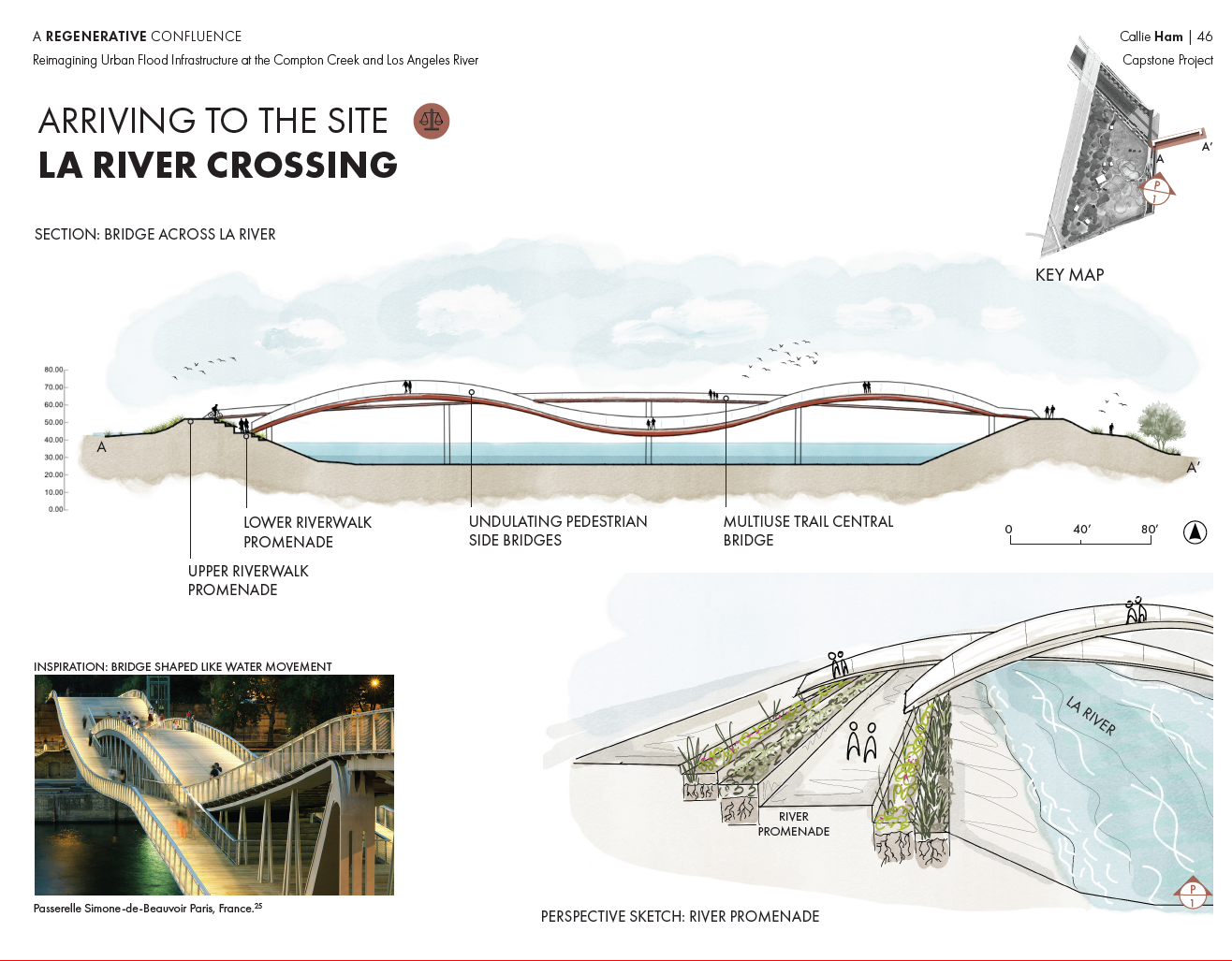
The judges highlighted the project’s strong research and analysis, with clear concepts and diagrams that were easy to understand. The evocative “Woven Basket” theme and precedent images brought a strong sense of place, while creative ideas like the tower walk stood out, even if they felt grand in scale. The sections and visuals were compelling, and the narrative showed thoughtful intent. Overall, a beautifully presented project with strong vision and creativity.
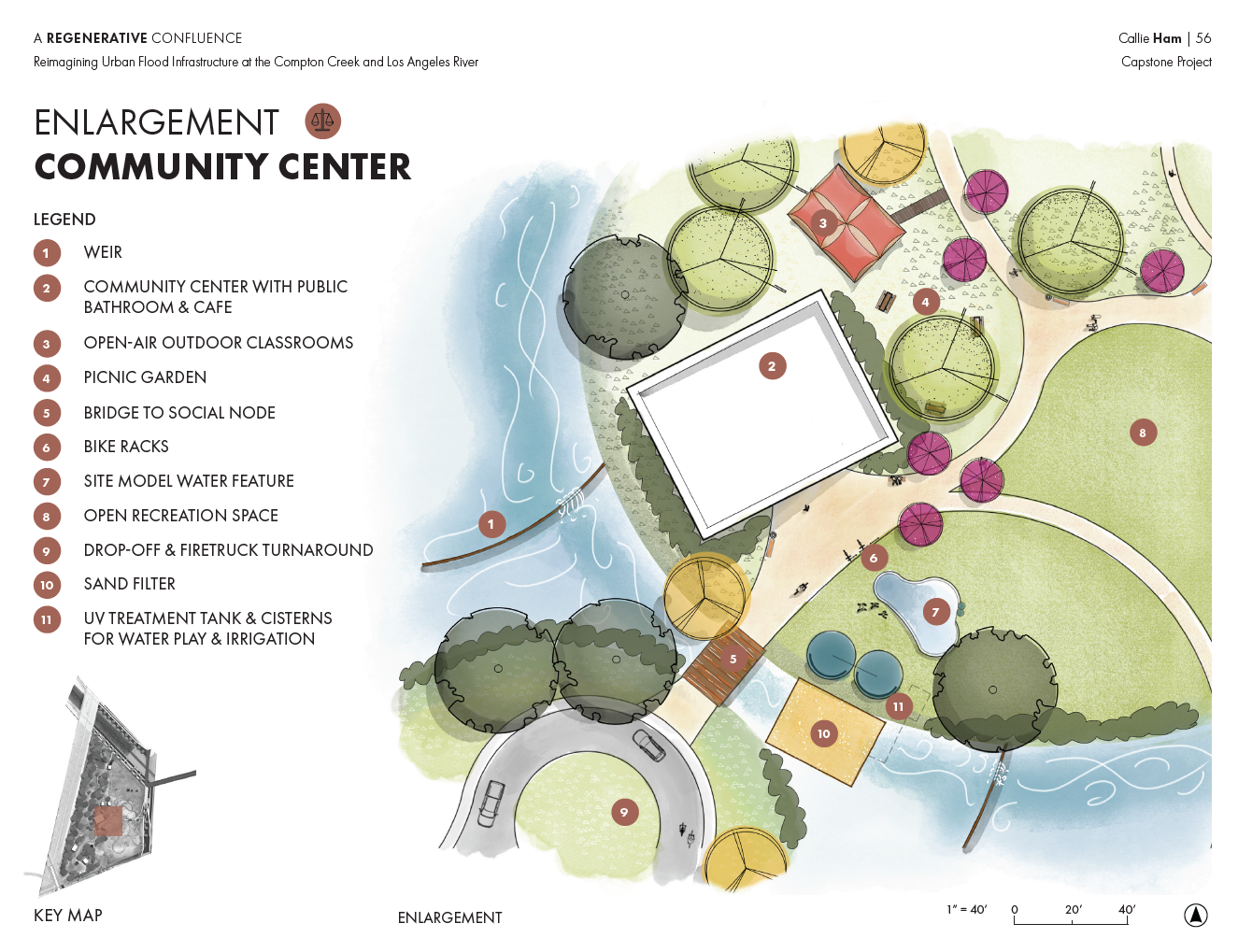
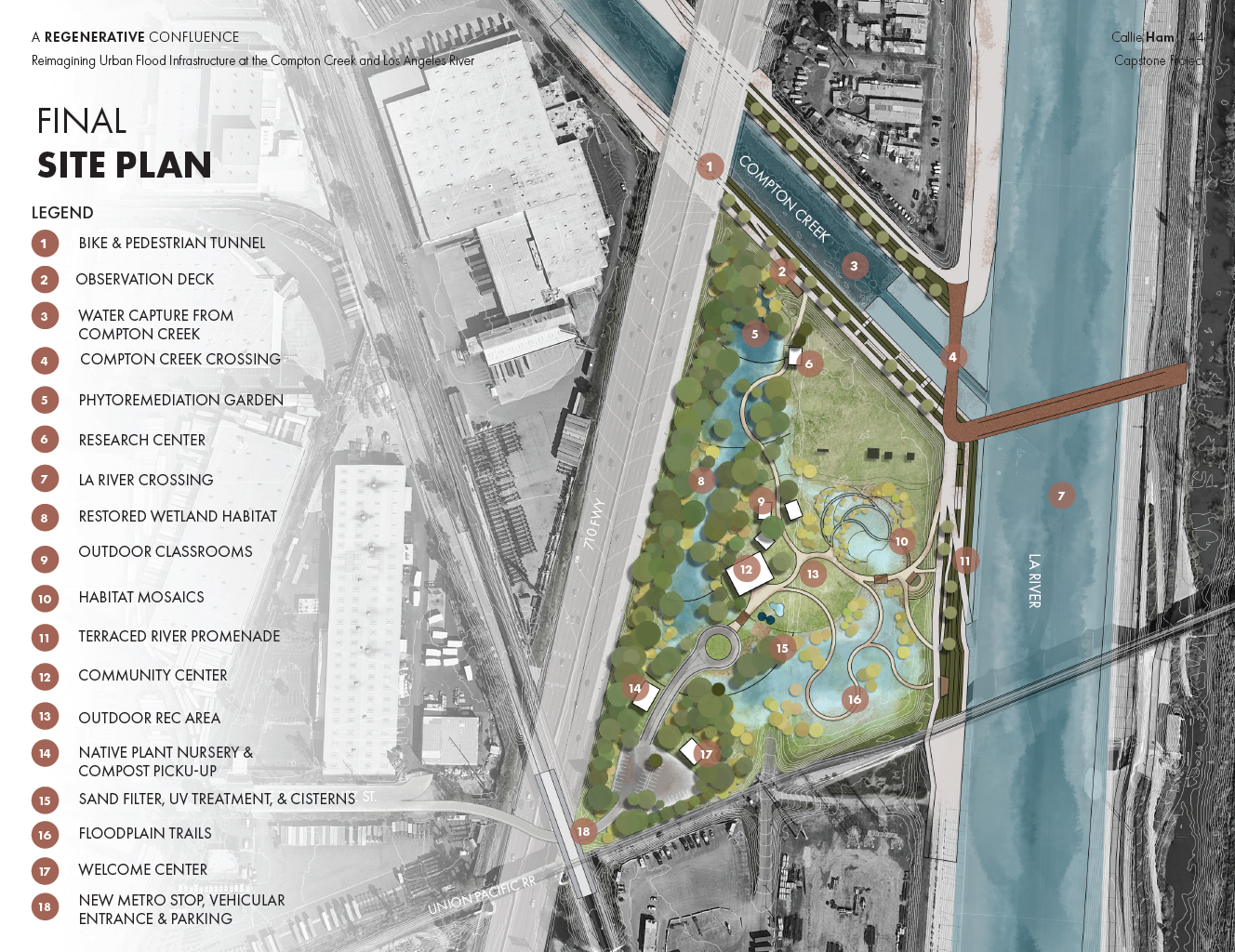
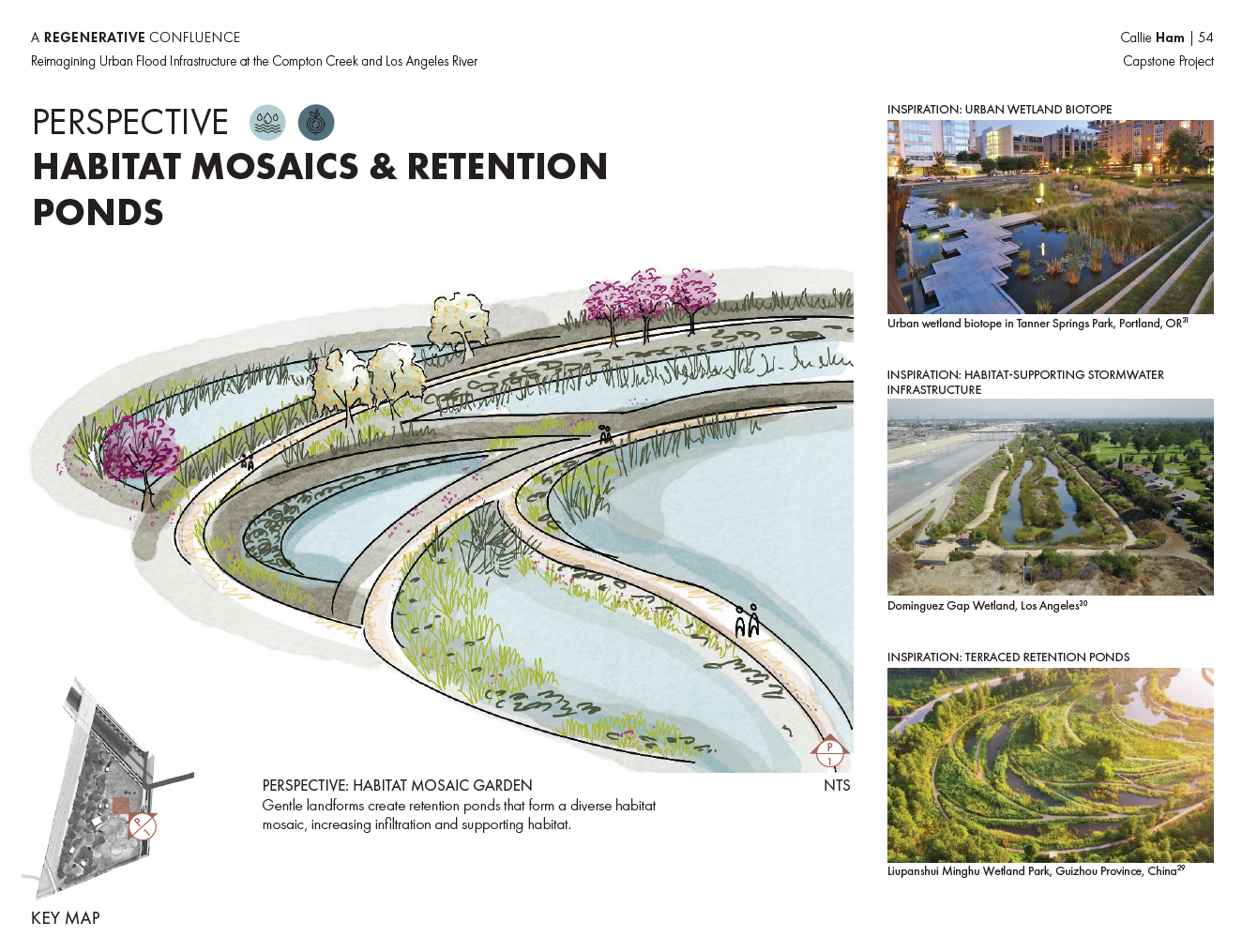
This project reimagines the confluence of Compton Creek and the Los Angeles River as a regenerative watershed infrastructure that simultaneously manages flood conveyance, restores natural systems, and expands equitable public access to green space.
It investigates how landscape architecture can work within rigid flood-control constraints to transform a fragmented, infrastructure-dominated site into a performative landscape system—one that captures, cleans, and stores water while transforming conventional flood infrastructure into a multifunctional landscape that restores ecological function, improves habitat continuity, and reconnects surrounding communities to the watershed.
About
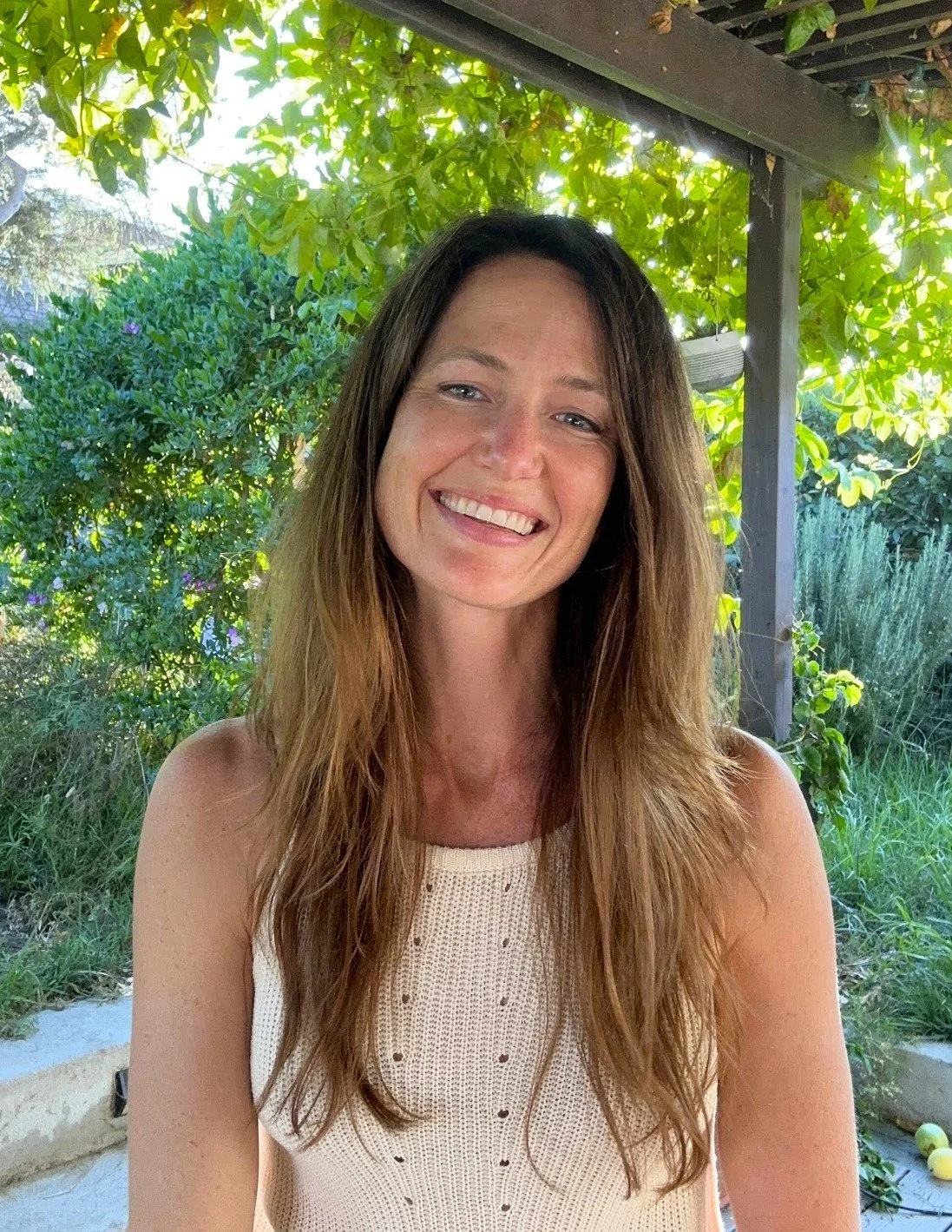
Callie Ham
My path to landscape architecture began with a longstanding interest in the relationship between people, natural systems, and the ways we shape and inhabit landscapes. Before studying landscape architecture, I worked in environmental policy and international development, where I saw how environmental challenges are shaped not only by ecological systems, but by infrastructure, institutions, and the communities that interact with them.
Landscape architecture has given me a way to engage those systems through place and to explore how design can move landscapes toward regeneration. I am particularly interested in places where ecological restoration, public space, and infrastructure overlap, and where design can repair degraded systems, restore ecological function, and create more meaningful connections between people and the landscapes they inhabit.