
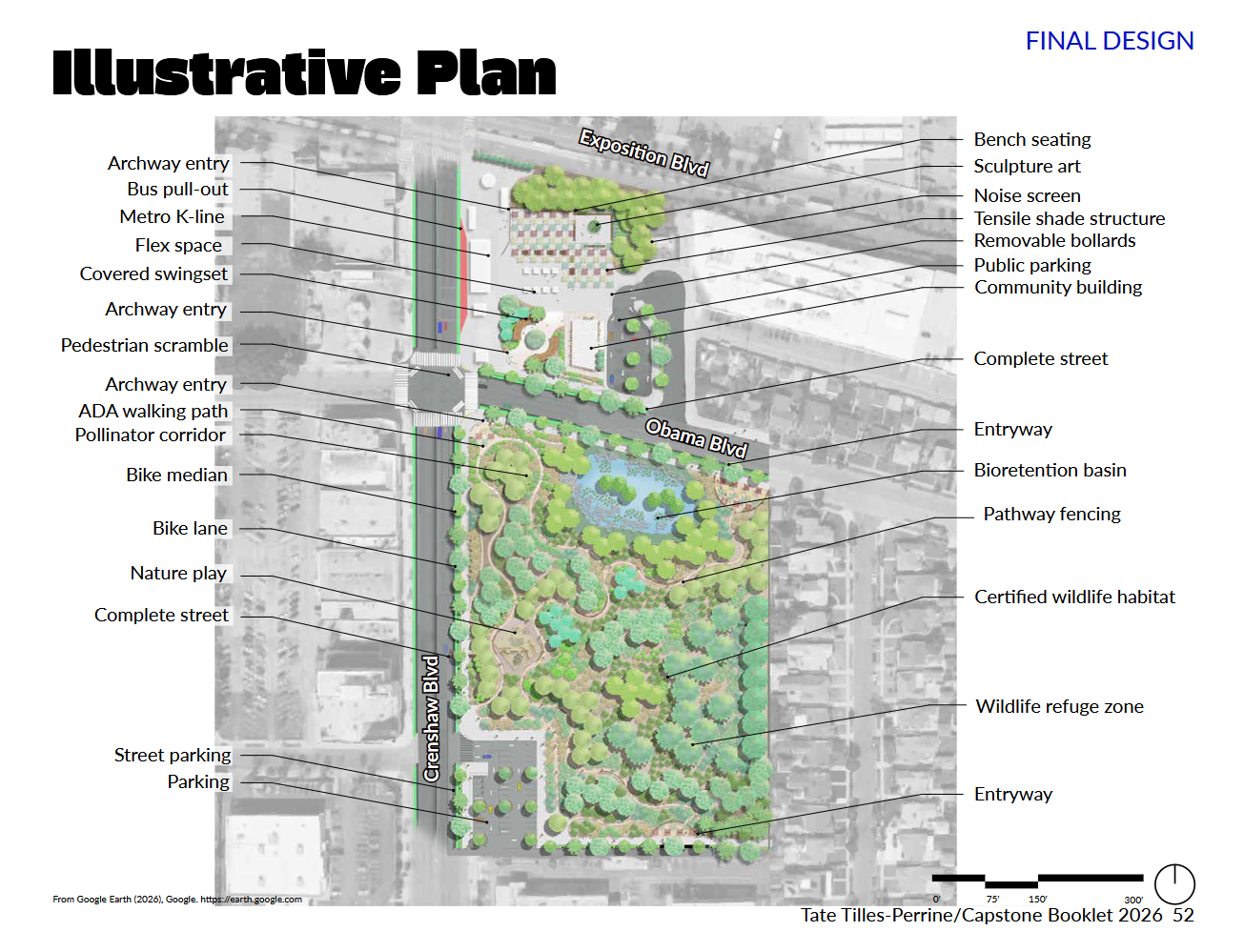

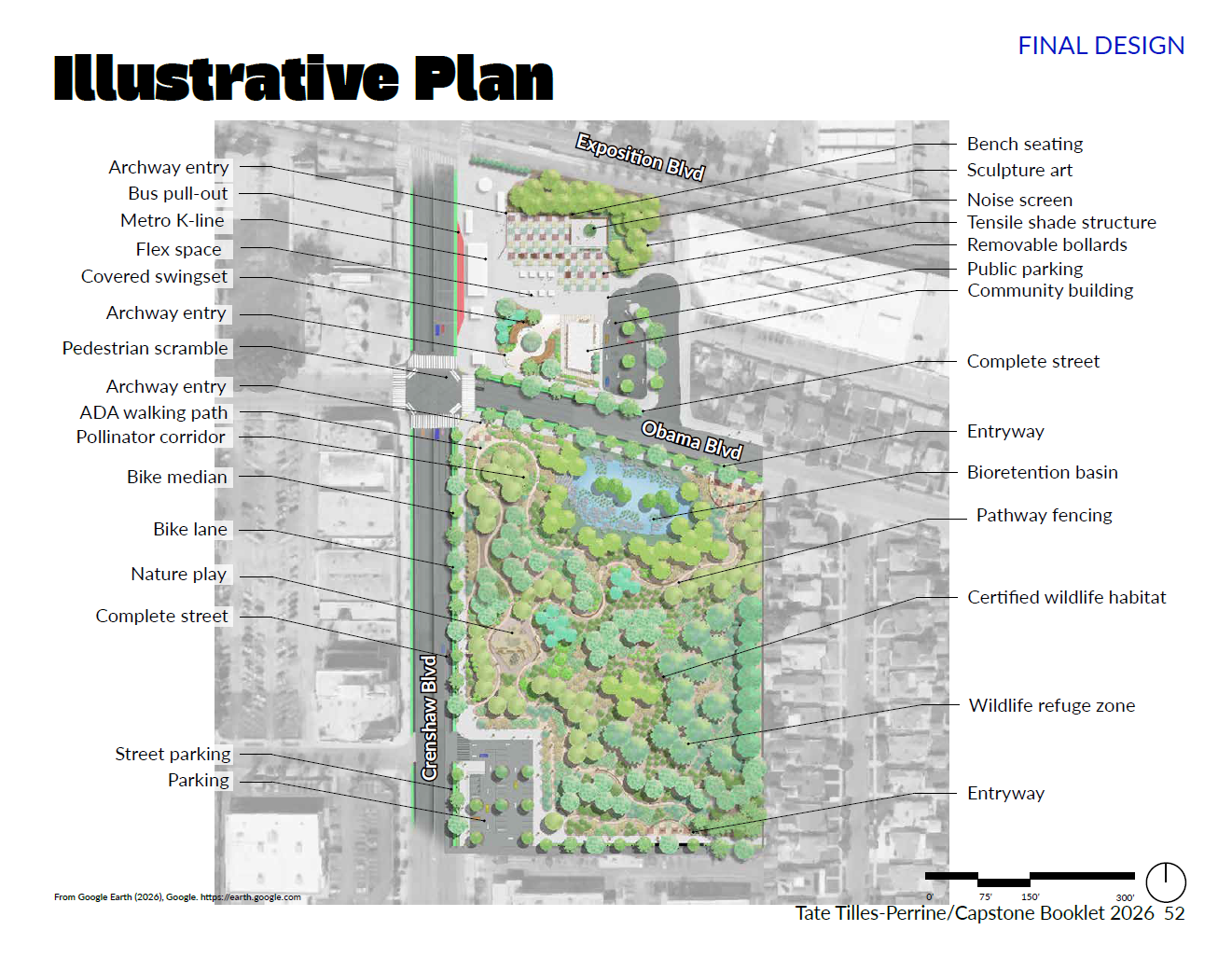
SCASLA Achievement Award
The judges highlighted the project’s strong research and analysis, with clear concepts and diagrams that were easy to understand. The evocative “Woven Basket” theme and precedent images brought a strong sense of place, while creative ideas like the tower walk stood out, even if they felt grand in scale. The sections and visuals were compelling, and the narrative showed thoughtful intent. Overall, a beautifully presented project with strong vision and creativity.
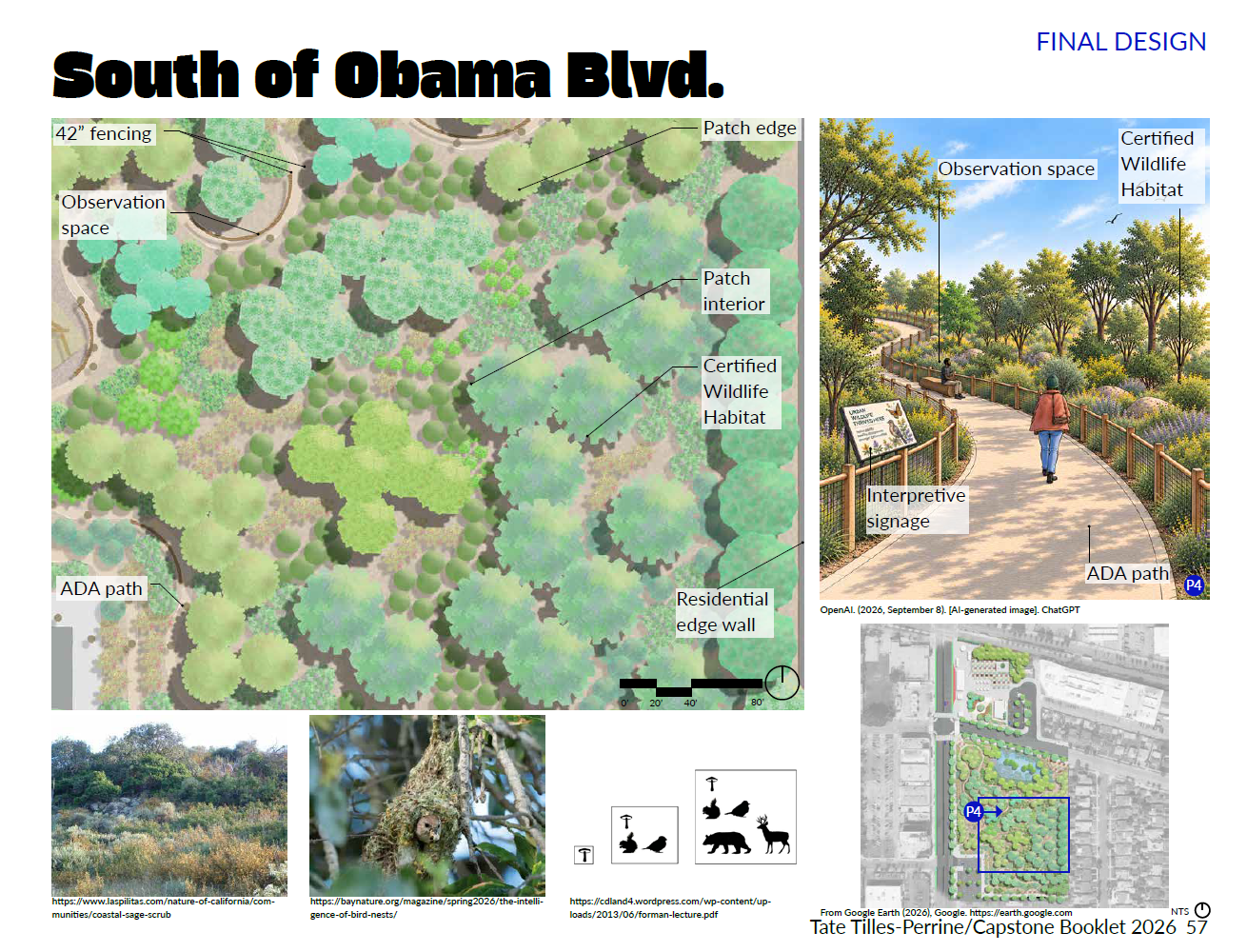
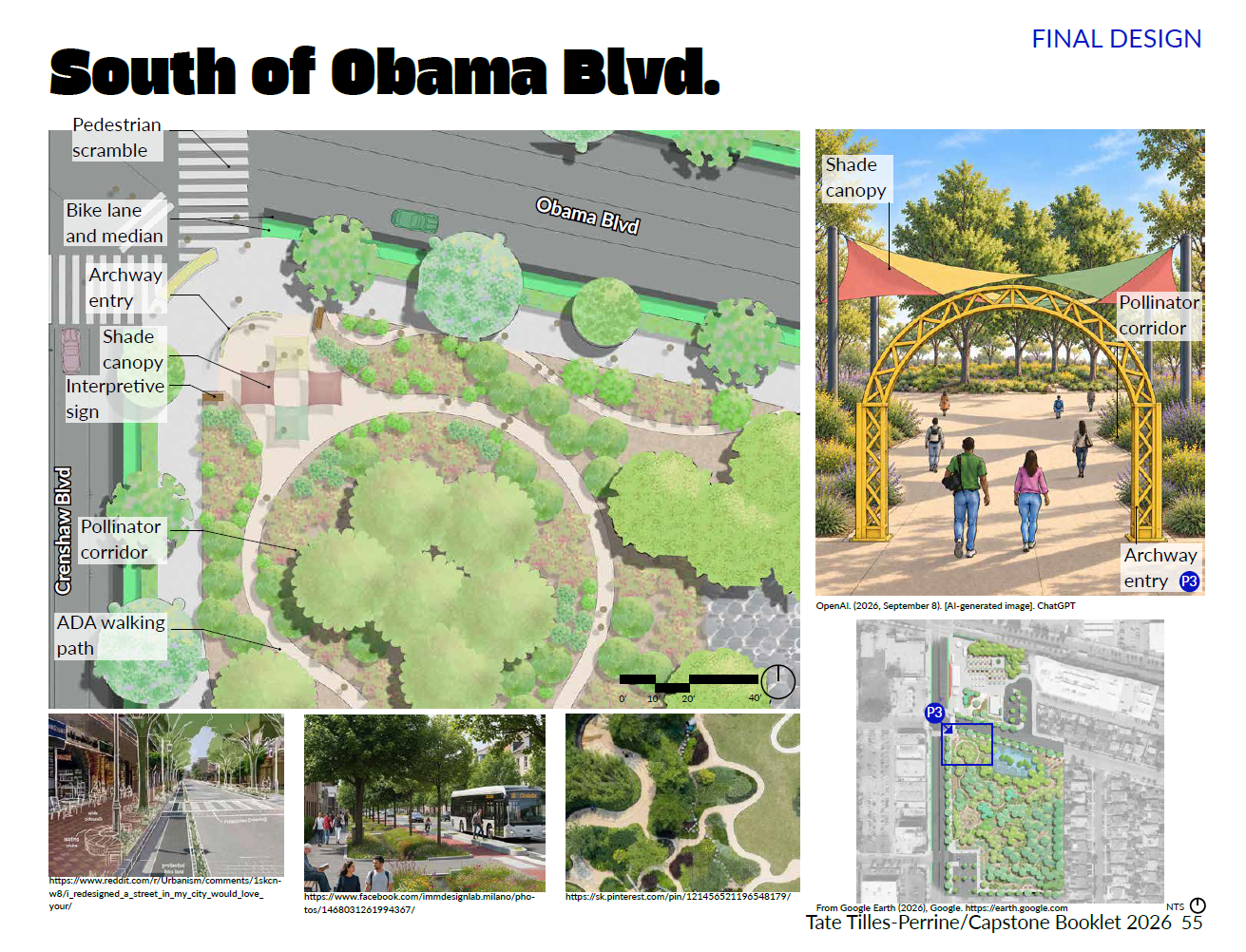
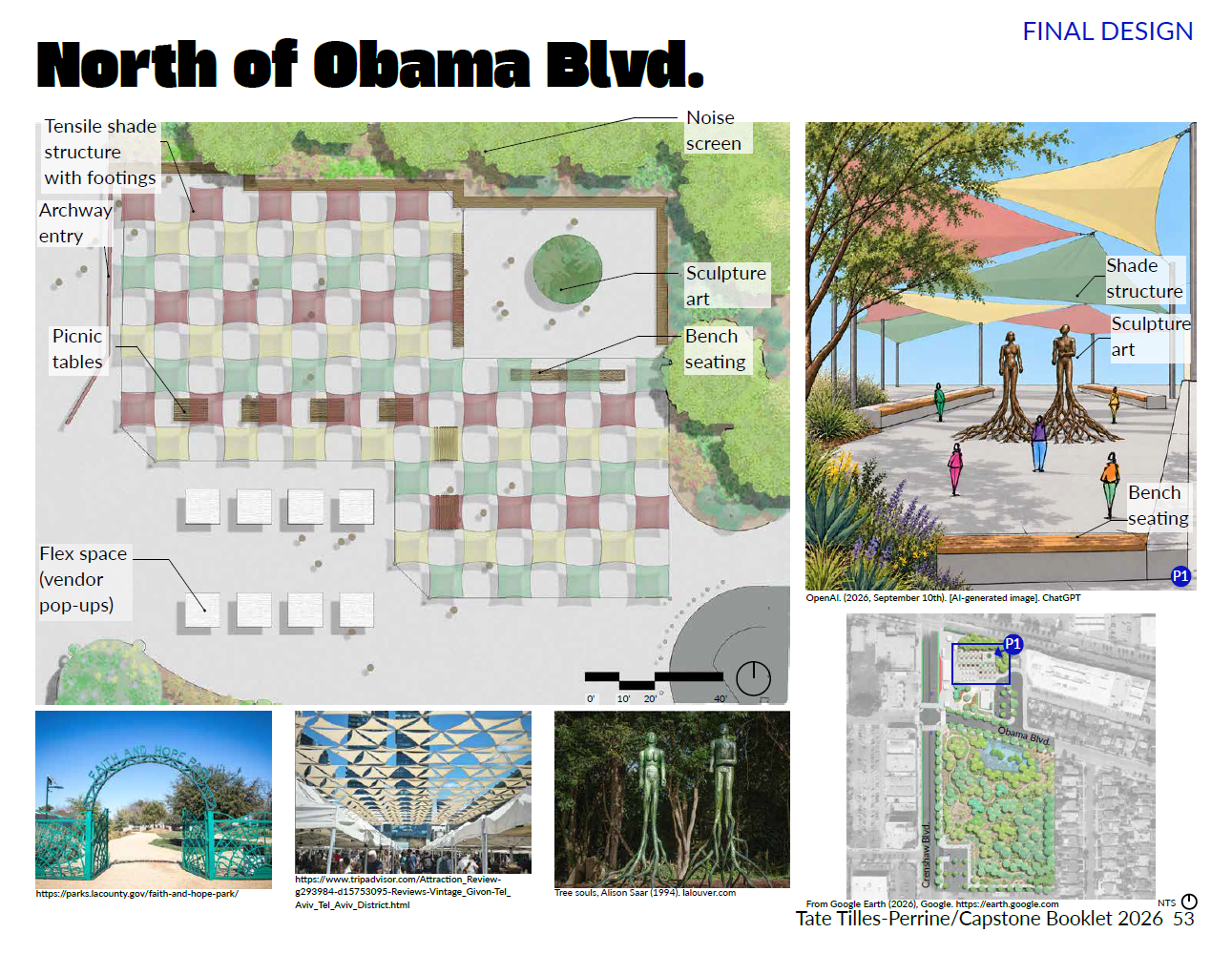
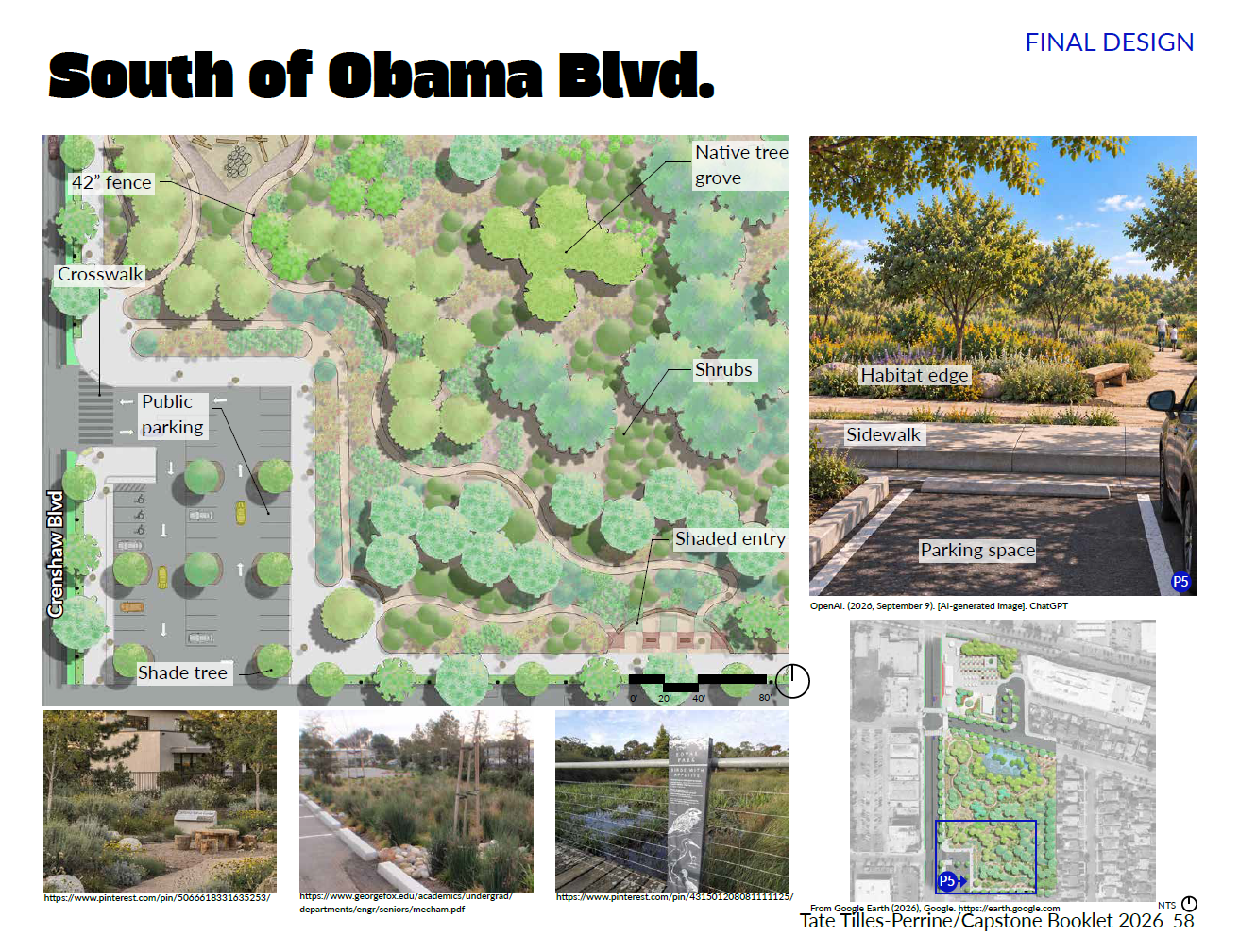
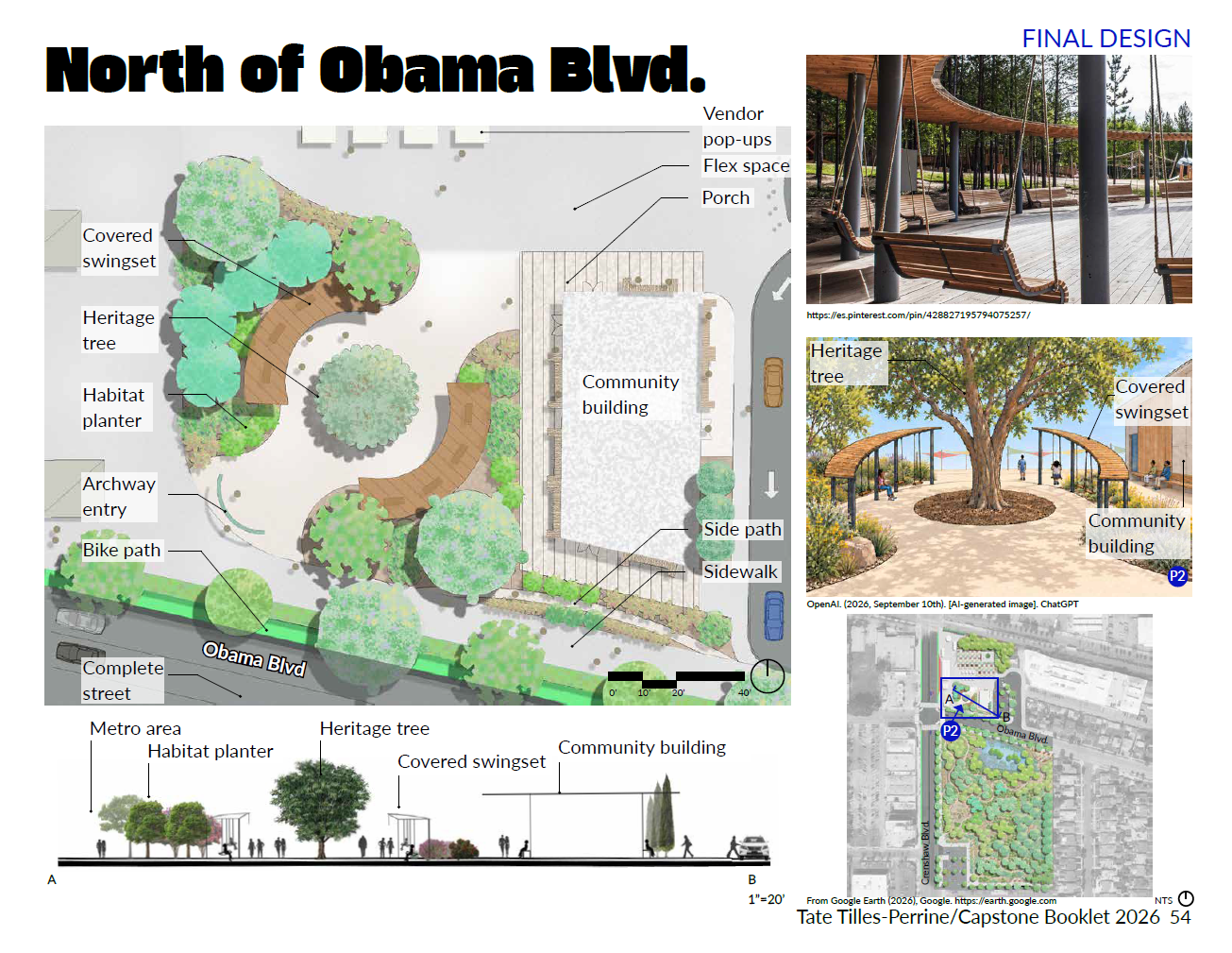
Located at the intersection of Crenshaw and Obama Boulevards, the project reimagines an underutilized urban site as a neighborhood-scale ecological patch where coastal sage scrub habitat, functional open space, and culturally grounded design come together. Within a highly urbanized landscape where habitat and access to meaningful green space are fragmented, the project explores how landscape architecture can support both ecological function and community life.
About
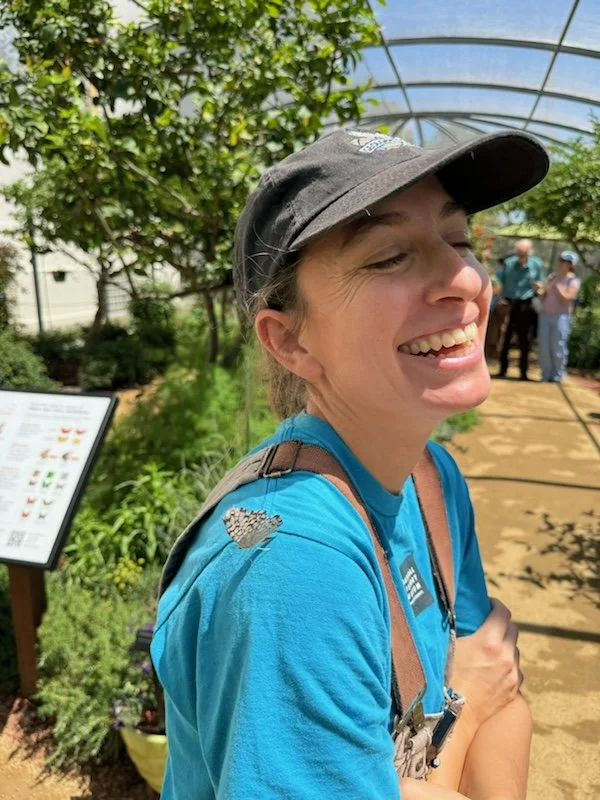
Tate Tilles-Perrine
Born and raised in Los Angeles, I’ve always felt a yearning to dissolve the distinction between urban and natural spaces. As a young adult, my longing led me to edible gardening. I consider myself an urban farmer who has been growing food in city spaces for over 19 years. In that time, I have also served as an environmental educator, teaching children of all ages the complexities of growing food in urban places. From growing food in private residences, to growing for restaurants and in public schools, creatively expressing myself through the maintenance of plants has been my passion. My current role is as Edible Garden Horticulturist and Program Manager for the Horticulture team at the Natural History Museum of Los Angeles County. This is the most public space in which I’ve ever had the opportunity to share my love of gardening.
I’ve come to landscape architecture as a means of pairing my two loves- edible gardening and gardening with native plants of southern CA. As I transition between maintenance and design, I carry with me my care for and attention to plants that sustain life, and my curiosity for understanding their functions within an urban ecosystem. Working with plants in urban spaces has led me to a deep understanding that relationships take time. Just as does my relationship to my design work, which I continue to practice everyday.